
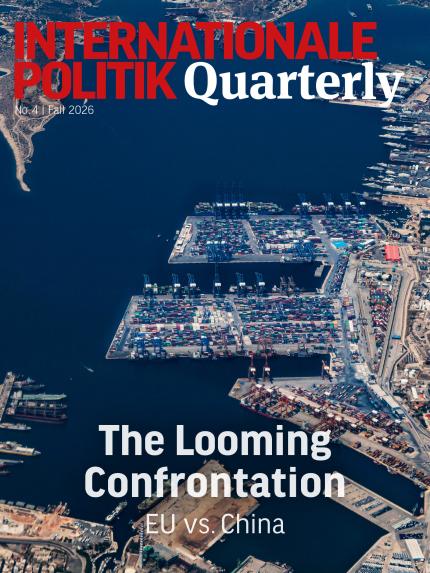
Europeans are in the process of a reorientation. The transatlantic security order built after World War II is weakened by late-night TruthSocial posts from US President Donald Trump. The Euro-Atlantic economic space, the most deeply integrated in the world, is destabilized by chaotic US tariff threats. This, above all, has led the European Union to start thinking about how it wants to position itself in this new, more unstable world.
One element is a new European security strategy. European Commission President Ursula von der Leyen and the European Union’s foreign policy chief, Kaja Kallas, told audiences at the Munich Security Conference back in February that the EU is working on one. It will address “all dimensions of European security” to better deal with the threat of Russia and a more hostile geopolitical era, Kallas said at the time, adding: “Russia’s maximalist demands cannot be met with a minimalist response.”
One aspect of “going max” is the string of security and defense partnerships the EU has concluded with 12 states over the past two years. In our cover section, Jake Benford and Nicolai von Ondarza take a deeper look at those SDPs and what they mean for the EU’s ability to forge new, or additional, arrangements when it comes to enhancing its security. Conversely, Takahiro Tsuchiya analyses the growing importance of the EU for Japan as a security partner, while Swati Prabhu points to the fact that the EU-India agenda remains underdeveloped. And Agathe Demarais makes the case for the EU to take bold steps to increase its financial firepower and stay relevant for international partners.
Elsewhere, Lucy Ash reports “on the ground” from the Venice Biennale which witnessed Russia’s ill-judged, slapstick-like attempt to return to the international art world. In Quarterly Concerns, Zsuzsanna Végh takes the measure of the many obstacles presenting themselves to newly elected Hungarian Prime Minister Péter Magyar. And Paris columnist Joseph de Weck reflects on the long French summer when even the country’s rumbustious politics take a break. Meanwhile, the nervousness about who will become the next president is growing, also beyond France’s borders. Joseph’s column will take a new, all-European focus going forward; read his “Euroscope” in the fall.
Henning Hoff is executive editor of INTERNATIONALE POLITIK QUARTERLY.
